
Training Awareness & SOC Enablement
- Enterprise-grade cybersecurity training aligned to SOC operations
- Role-based security awareness for employees, analysts, and leadership
- Hands-on SOC enablement for real-world threat response readiness
- Compliance-aligned training mapped to regional regulations and frameworks

Choose the Best Cyber Security Company in Middle East
Choosing the best cybersecurity company in the Middle East means partnering with a provider that delivers continuous risk visibility, regional threat expertise, and enterprise-grade SOC capabilities.
Regional Threat Expertise
Enterprise-Grade SOC Capabilities
Our Core Services - What We Do
Security Awareness Programs
We design structured awareness programs that reduce human risk across enterprises. Content is tailored for regional threat landscapes, employee roles, and compliance needs, ensuring measurable behavior change rather than checkbox training.
SOC Analyst Enablement Training
Practical, SOC-focused training for Tier 1 to Tier 3 analysts covering alert triage, investigation workflows, escalation handling, and real incident scenarios to improve detection accuracy and response confidence.
Incident Response Readiness Workshops
Scenario-driven workshops that prepare internal teams to handle ransomware, insider threats, phishing campaigns, and advanced attacks with defined roles, communication plans, and decision-making clarity.
Executive & Leadership Cyber Awareness
Targeted sessions for CXOs and IT leadership focused on cyber risk visibility, regulatory exposure, decision-making during incidents, and aligning security operations with business objectives.
Compliance & Regulatory Training
Training aligned to ISO standards, regional regulations, and industry mandates, helping teams understand control intent, operational execution, and audit readiness without disrupting business workflows.
Custom SOC Playbook Training
Enable teams to operationalise SOC playbooks through guided walkthroughs, tabletop simulations, and real-time drills, ensuring consistent response across tools, teams, and escalation paths.
Explanation of Managed Security Device & Endpoint Services
Endpoint environments are primary targets for modern cyber attacks. SocEXpert’s endpoint-focused threat intelligence capabilities provide continuous visibility, contextual analysis, and proactive detection across enterprise devices.
Role-Based Training Frameworks
Training paths are designed by role—end users, IT staff, SOC analysts, and leadership—ensuring each group receives relevant, actionable knowledge aligned to their operational responsibilities and risk exposure.
Hands-On SOC Simulations
Live simulations replicate real attack scenarios across endpoints, allowing analysts to practice detection, investigation, and response using SOC tools, improving confidence and reducing real-world response time.
Intelligence-Driven Containment & Response
Endpoint alerts are enriched with contextual intelligence, enabling faster containment decisions. Security teams can isolate affected systems, block malicious processes, and prevent further spread with confidence.
Threat & Attack Pattern Awareness
Focused enablement on current regional threat actors, attack techniques, and endpoint-based intrusion patterns, helping teams recognize early indicators and reduce dwell time.
Get Your Free Security Consultation
Best Security Solutions for Modern Network & SOC Challenges
SOCExperts helps organizations detect, assess, and respond to cyber threats with continuous monitoring, expert-led SOC operations, and proactive risk management.
From Cyber Risk Chaos to Security Clarity
Traditional security approaches often slow organisations down and leave critical risks unaddressed. SOCEXpert transforms fragmented, reactive security efforts into a clear, continuous, and intelligence-driven vulnerability management approach, turning cyber risk into controlled, measurable outcomes.
The Problem
These represent what enterprises struggle with today
Skill Gaps Within Security Teams
Security teams lack hands-on exposure to real-world attack scenarios, modern SOC tools, and evolving threat techniques. This skills gap limits detection accuracy and incident response.
Low Cybersecurity Awareness Across the Organization
Employees remain unaware of modern cyber risks such as phishing, social engineering, and credential abuse. Human error continues to be a major attack vector due to insufficient training and awareness programs.
Inconsistent SOC Processes & Knowledge
SOC operations rely on individual experience rather than standardized procedures. Knowledge gaps across shifts and teams lead to inconsistent investigations, misclassification of incidents, and delayed escalation.
Reactive Incident Handling
Security teams respond to incidents without structured playbooks or prior simulation experience. This reactive approach increases response time, operational stress, and the risk of containment failure.
Limited Readiness for Advanced Threats
Organizations are unprepared to handle advanced and persistent attacks due to lack of continuous training, adversary simulation, and threat intelligence exposure.
The Solution
Modern, continuous vulnerability management by SOCEXpert
Role-Based Security Training Programs
livered for SOC analysts, security engineers, and IT teams. Training is aligned with real-world threats, modern tools, and enterprise security operations.
Enterprise-Wide Cybersecurity Awareness
Targeted awareness programs educate employees on phishing, social engineering, and cyber hygiene. This significantly reduces human-related security incidents and strengthens the organisation’s first line of defence. organization’s first line of defense.
Standardized SOC Playbooks & Knowledge Enablement
Structured SOC workflows, investigation playbooks, and escalation procedures are implemented. This ensures consistency, faster response, and improved collaboration across security teams.
Incident Response Simulations & Tabletop Exercises
Hands-on simulations and attack scenarios prepare teams for real incidents. Analysts gain confidence, improve decision-making, and respond effectively under pressure
Continuous SOC Capability Development
Ongoing enablement programs keep teams updated on emerging threats, attacker techniques, and new technologies. SOC maturity improves continuously instead of relying on one-time training.
Tools, Technologies, and Methodologies
SocEXpert’s Threat Intelligence & Analysis services integrate seamlessly into existing enterprise security ecosystems, ensuring maximum value without operational disruption.
SOC Analyst Training & Skill Enablement
Training, Awareness & SOC Enablement programs equip SOC teams with practical, role-based skills required to detect, analyse & respond to modern threats. Analysts are trained on real-world attack scenarios, incident workflows & security tools to improve decision-making accuracy
EDR / XDR – Extended Detection & Context
Targeted security awareness initiatives strengthen the organization’s first line of defense by addressing human-centric risks. Through continuous education, simulations, and policy reinforcement, employees learn to recognize phishing, social engineering,
Security Awareness & Human Risk Reduction
Threat intelligence powers automated response workflows, enabling consistent containment, investigation, and remediation actions. Automation reduces response times while maintaining governance and control.
This ensures rapid, repeatable,
Compliance and Regulatory Relevance
SOCExpert aligns Security Architecture & Technology Management with global and regional compliance requirement
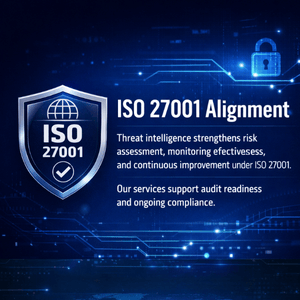
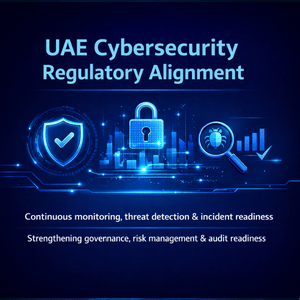
PCI DSS – Security Awareness Incident Response Training Requirements
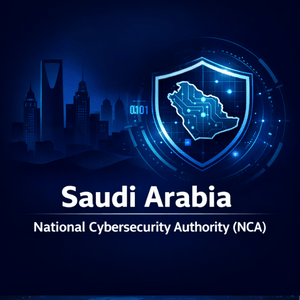
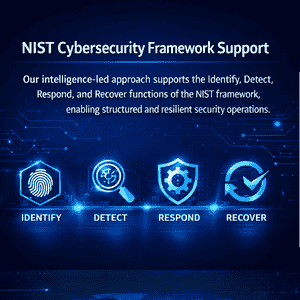
NIST NICE Cybersecurity Workforce Framework
Benefits - Business Impact
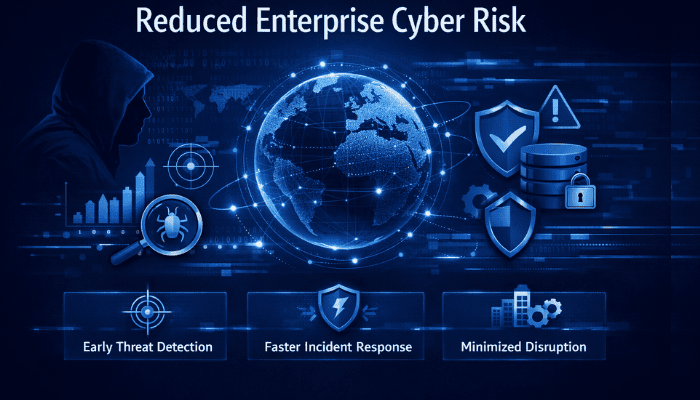
Stronger Human-Centric Security Posture
Targeted security training and awareness programs significantly reduce human-related risks such as phishing, credential misuse, and policy violations. By improving employee understanding of cyber threats and secure behaviors, organizations strengthen their first line of defense and reduce the likelihood of successful attacks impacting business operations.
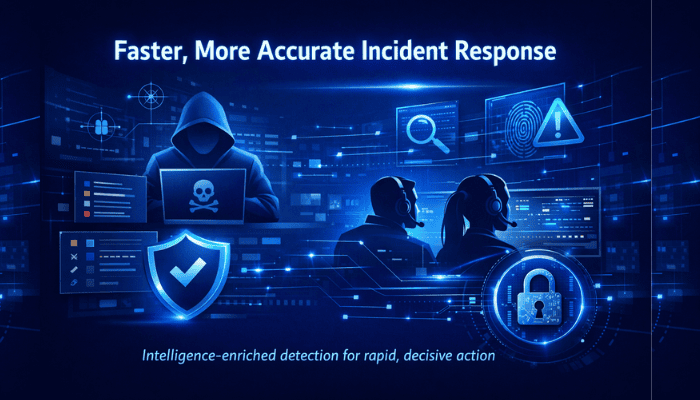
Enhanced SOC Operational Effectiveness
SOC enablement equips security teams with structured processes, use-case knowledge, and response readiness. Well-trained SOC analysts detect threats faster, respond with greater accuracy, and operate more efficiently, improving incident handling, reducing response errors, and increasing overall security operations maturity across the organization.
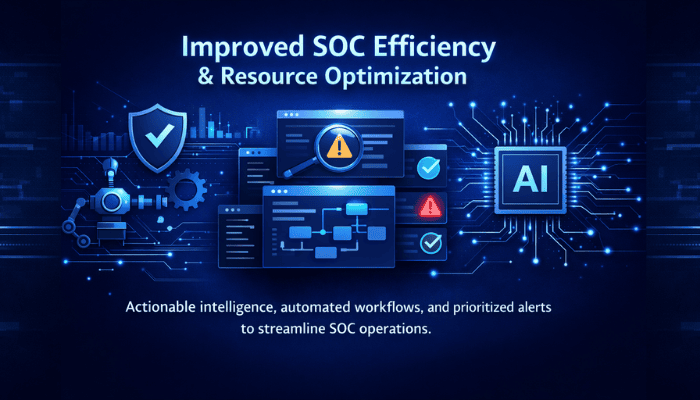
mproved Compliance and Risk Management Readiness
Training and SOC enablement support regulatory compliance by ensuring teams understand security controls, reporting requirements, and incident response obligations. This improves audit readiness, reduces compliance gaps, and helps organizations maintain a strong risk management posture aligned with regional and international cybersecurity standards.
why choose us
SOCExperts empowers organizations with practical security training, targeted awareness programs, and SOC enablement services designed to strengthen internal security capabilities. We help teams build real-world detection, response, and operational maturity aligned with modern threat landscapes and compliance requirements.
- Practical, SOC-led training aligned with real-world attack scenarios
- Security awareness programs tailored to enterprise risk and compliance needs
- End-to-end SOC enablement to improve detection, response, and operational efficiency

FAQs
1. What is Training, Awareness & SOC Enablement in cybersecurity, and why is it critical for modern security operations?
Training, Awareness & SOC Enablement focuses on building skilled security teams, improving employee cyber awareness, and strengthening SOC capabilities to detect, respond, and manage threats effectively while reducing human error and operational security risks.
2. How does cybersecurity training improve SOC performance and incident response efficiency?
Cybersecurity training enhances SOC analyst skills, improves threat detection accuracy, reduces response time, and ensures consistent handling of security incidents through standardized processes, tools, and real-world attack scenario simulations.
3. Why is employee security awareness important for reducing cyber risks in enterprises?
Security awareness programs help employees recognize phishing, social engineering, and insider threats, reducing accidental security breaches while strengthening the organization’s overall security posture and first line of defense.
4. What role does SOC enablement play in continuous security monitoring and operations?
SOC enablement equips security teams with the right skills, processes, and technologies to continuously monitor environments, correlate alerts, respond to incidents efficiently, and maintain operational resilience across complex IT and cloud infrastructures.
5. How does Training, Awareness & SOC Enablement support regulatory and compliance requirements?
Structured training and enablement programs help organizations meet regulatory requirements by ensuring staff understand security policies, incident response procedures, and compliance obligations while maintaining audit-ready documentation and operational consistency.
6. What types of cybersecurity training are essential for SOC analysts and security teams?
Essential training includes threat detection, incident response, SIEM usage, threat intelligence analysis, malware investigation, cloud security monitoring, and compliance awareness to prepare SOC teams for real-world cyberattack scenarios
7. How does SOC enablement reduce alert fatigue and improve threat prioritization?
SOC enablement improves analyst decision-making by enhancing skills in alert correlation, risk-based prioritization, and automation usage, helping teams focus on real threats instead of wasting time on false positives.
8. Can Training, Awareness & SOC Enablement help prevent human-error-driven security incidents?
Yes, continuous security awareness and role-based training significantly reduce human errors such as phishing clicks, weak password practices, and policy violations that commonly lead to data breaches and security incidents.
9. How often should organizations conduct cybersecurity training and SOC enablement programs?
Organizations should conduct regular training sessions, ongoing awareness campaigns, and continuous SOC enablement updates to address evolving threats, new technologies, regulatory changes, and emerging attack techniques.
10. How does Training, Awareness & SOC Enablement improve overall enterprise security maturity?
By developing skilled security teams and informed employees, organizations strengthen detection capabilities, reduce response times, improve compliance readiness, and achieve a more proactive, resilient, and mature security operations model.