
Vulnerability Management & Continuous Assessment
- Continuous visibility into vulnerabilities across your entire environment
- Risk-prioritized remediation aligned to business impact
- Proactive security assessment to reduce attack surfaces

Choose the Best Cyber Security Company in Middle East
Choosing the best cybersecurity company in the Middle East means partnering with a provider that delivers continuous risk visibility, regional threat expertise, and enterprise-grade SOC capabilities.
Regional Threat Expertise
Enterprise-Grade SOC Capabilities
Our Core Services - What We Do
Continuous Vulnerability Discovery
Ongoing identification of vulnerabilities across infrastructure, cloud, applications, and endpoints as environments change.
Risk-Based Vulnerability Prioritization
Ranking vulnerabilities based on business impact, exploitability, and threat intelligence not just severity scores
Asset & Exposure Visibility
Maintaining an accurate view of critical assets, their exposure levels, and associated security weaknesses
Remediation Guidance & Validation
Providing clear remediation actions and continuously verifying that vulnerabilities are properly fixed.
Threat Context & Exploit Intelligence
Linking vulnerabilities to active threats and real-world attack techniques to focus on what attackers are actually exploiting.
Continuous Assessment & Revalidation
Reassessing systems after changes, patches, or new deployments to ensure risk remains under control.
Explanation of Managed Security Device & Endpoint Services
Managed Security Device & Endpoint Services are comprehensive solutions that involve continuous monitoring and management of an organization’s devices and endpoints. These services ensure that all connected devices, including servers, workstations, mobile devices, and IoT endpoints, are securely managed and protected against vulnerabilities.
Device & Endpoint Hardening
Ensuring that all devices are configured securely to prevent unauthorized access and vulnerabilities.
Patch Management
Regular updates and patching of software to protect devices from known exploits.
Threat Intelligence Integration
Leveraging up-to-date threat intelligence to anticipate and defend against emerging threats targeting devices and endpoints.
Endpoint Detection and Response
Continuous monitoring and response to threats on endpoints, ensuring rapid identification and remediation of malicious activity.
Get Your Free Security Consultation
Best Security Solutions for Modern Network & SOC Challenges
SOCExperts helps organizations detect, assess, and respond to cyber threats with continuous monitoring, expert-led SOC operations, and proactive risk management.
Continuous Vulnerability management vs Continuous Assessment
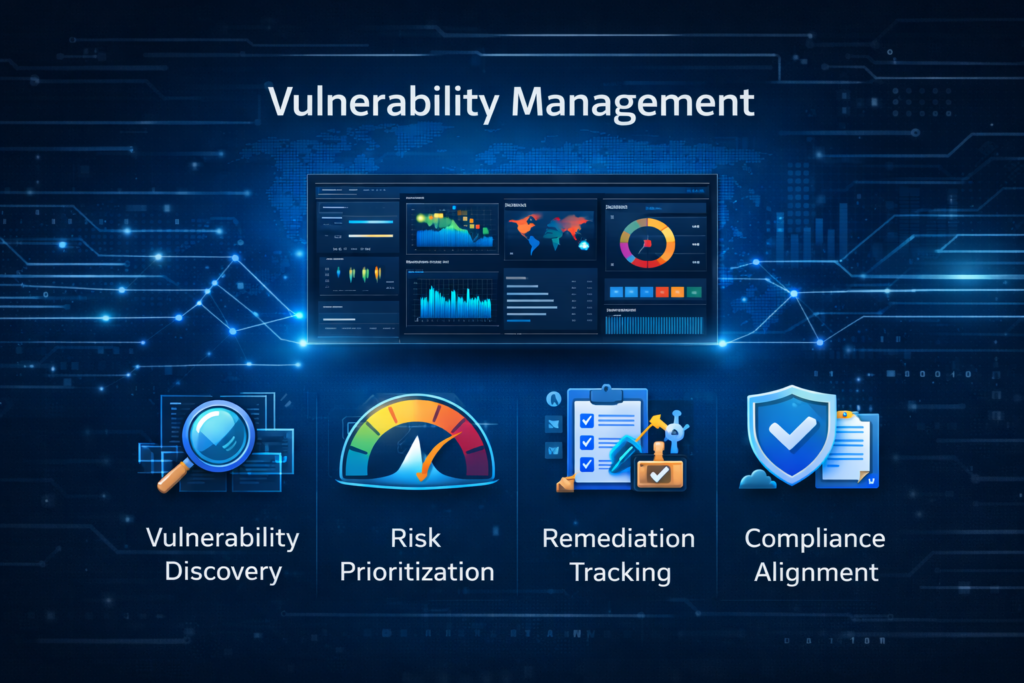
Continuous Assessment
Continuous Assessment is the ongoing process of evaluating security posture, risk exposure, and control effectiveness across the enterprise environment.
It ensures vulnerabilities are not treated as one-time findings but are continuously measured, tracked, and reassessed as environments change.
- Ongoing Risk Evaluation
- Adaptive Security Posture Improvement
From Cyber Risk Chaos to Security Clarity
Traditional security approaches often slow organisations down and leave critical risks unaddressed. SOCEXpert transforms fragmented, reactive security efforts into a clear, continuous, and intelligence-driven vulnerability management approach—turning cyber risk into controlled, measurable outcomes.
The Problem
These represent what enterprises struggle with today
Legacy vulnerability practices that increase risk
Periodic scans, manual processes, and fragmented tools create blind spots, slow remediation, and leave enterprise
Manual & Periodic Assessments
Time-consuming scans and manual processes create blind spots, delays, and operational fatigue.
Scattered Security Data
Vulnerability information spread across tools makes it difficult to understand true enterprise risk.
Slow Risk Response
Lack of real-time insight delays remediation, allowing attackers to exploit known weaknesses.
Limited Scalability
Traditional models fail to scale with cloud adoption, digital expansion, and evolving attack surfaces.
The Solution
Modern, continuous vulnerability management by SOCEXpert
Modern, continuous vulnerability management by SOCEXpert
A SOC-driven, continuous assessment approach that provides real-time risk visibility, prioritizes critical vulnerabilities,
Continuous & Automated Assessment
SOC-driven processes continuously identify vulnerabilities as environments change without operational disruption.
Unified Risk Visibility
All vulnerability and exposure data consolidated into a single, business-aligned risk view.
Real-Time Risk Prioritization
Immediate insight into which vulnerabilities pose the highest threat to critical assets and operations.
Enterprise-Ready Scalability
A cloud-ready, SOC-integrated approach that scales seamlessly with enterprise growth.
Tools, Technologies, and Methodologies
SOCExpert employs a carefully curated technology stack combined with proven methodologies to support GRC integration
Vulnerability Scanners
Tools such as Nessus, Qualys, and Rapid7 to perform thorough vulnerability assessments across your infrastructure and respond in real-time
Endpoint Protection Platforms
Solutions like CrowdStrike, Sophos, and SentinelOne provide robust endpoint protection against malware, ransomware, and other threats.
Security Information and Event Management
Platforms like Splunk and IBM QRadar help aggregate and analyze data from across the enterprise to detect anomalies and respond in real-time.
Compliance and Regulatory Relevance
SOCExpert aligns Security Architecture & Technology Management with global and regional compliance requirement
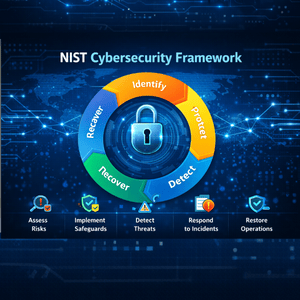
NIST Cybersecurity Framework
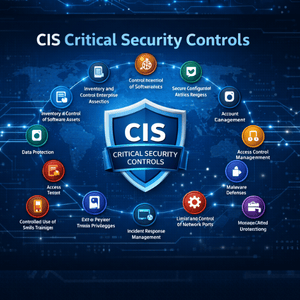
CIS Critical Security Controls
Benefits - Business Impact
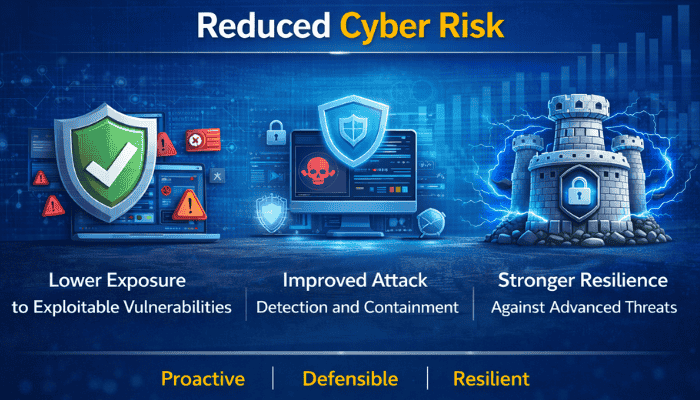
1. Enhancing Security Posture
Our vulnerability management service proactively identifies and mitigates risks across your entire IT infrastructure. By addressing vulnerabilities in real-time, we strengthen your security defences, ensuring that your organisation is protected from evolving threats, reducing the likelihood of breaches and enhancing overall cybersecurity resilience
2. Improved Compliance
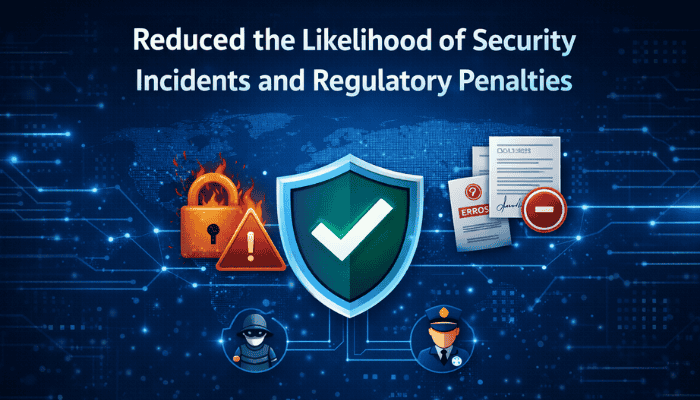
Our continuous vulnerability management helps ensure your enterprise remains compliant with global and regional regulations like ISO 27001, NIST, and local data protection laws. By identifying and addressing security gaps, we ensure your business adheres to the required standards, reducing the risk of non-compliance penalties and safeguarding your reputation.
3. Cost Efficiency
Investing in vulnerability management reduces the costs associated with security breaches, including fines, legal fees, and lost revenue from downtime. By proactively managing vulnerabilities, we minimise the impact of cyberattacks, helping organisations avoid expensive recovery processes and providing long-term cost savings through reduced security incidents.
why choose us
SOCEXpert helps enterprises move from reactive security practices to continuous, risk-driven vulnerability management. Our SOC-led approach delivers clear visibility, faster remediation, and measurable cyber risk reduction across complex enterprise environments.
- Regional Threat Expertise
- SOC-Driven Continuous Monitoring
- Risk-Based Prioritization

FAQs
1.What is vulnerability management?
Vulnerability Management & Continuous Assessment is a structured, ongoing security process that identifies, prioritizes, and reduces security weaknesses across an organization’s digital environment. Unlike traditional approaches that rely on periodic scans, continuous assessment provides real-time visibility into vulnerabilities as systems, applications, and configurations change.
At socexperts, this service is delivered as a SOC-driven capability that aligns technical findings with business risk, helping enterprises maintain a strong and measurable security posture.
2.How does continuous assessment differ from periodic assessments?
Traditional vulnerability scanning is typically performed monthly or quarterly and provides only a snapshot of risk at a specific point in time. Continuous assessment, on the other hand, operates on an always-on model, monitoring environments continuously for new vulnerabilities, misconfigurations, and exposures.
For enterprises in the Middle East, where cloud adoption and digital expansion are rapid, continuous assessment ensures security teams are not operating with outdated risk data
3. Why is vulnerability management crucial for businesses in the Middle East?
Enterprises in the Middle East face a unique combination of advanced cyber threats, regulatory expectations, and large-scale digital transformation initiatives. Known vulnerabilities remain one of the most common entry points for attackers, especially when remediation is delayed or poorly prioritized. Vulnerability Management & Continuous Assessment helps organizations proactively reduce exposure, support compliance requirements, and protect critical business systems in high-risk environments.
4.What tools are used for vulnerability management and continuous assessment?
Common tools for vulnerability management and continuous assessment include vulnerability scanners like Nessus and Qualys, Endpoint Detection and Response (EDR) solutions, Security Information and Event Management (SIEM) platforms like Splunk, and threat intelligence platforms. These tools help detect vulnerabilities, assess risks, and respond to threats in real time.
5. How does vulnerability management improve compliance?
Vulnerability management ensures that an organization meets compliance standards such as ISO 27001, NIST, and regional data protection laws by identifying and addressing security gaps that could lead to non-compliance. Regular assessments, patch management, and vulnerability remediation help businesses stay aligned with evolving regulations, reducing the risk of fines and penalties.
6.Does vulnerability management include remediation support?
Yes. Effective vulnerability management does not stop at identification. Socexperts provides clear remediation guidance, working closely with internal IT and security teams to address vulnerabilities efficiently.
Where immediate patching is not possible, compensating controls and risk mitigation strategies are recommended. Continuous validation is also performed to ensure vulnerabilities are properly resolved and not reintroduced
7. How does continuous assessment reduce cyber risk over time?
Continuous assessment creates a feedback loop where vulnerabilities are identified, prioritized, remediated, and revalidated on an ongoing basis. This prevents the accumulation of unresolved risks and significantly reduces the attack surface over time.
By maintaining continuous visibility, organizations can respond faster to emerging threats and system changes, resulting in stronger cyber resilience and fewer security incidents.
8. Is this service suitable for regulated industries?
Yes. Vulnerability Management & Continuous Assessment is especially important for regulated industries such as finance, government, healthcare, energy, and large enterprises operating under regional and international security frameworks.
socexperts supports audit readiness by maintaining documented evidence of vulnerability assessments, remediation actions, and risk reduction activities, helping organizations demonstrate due diligence and governance maturity.
9. How does vulnerability management integrate with SOC operations?
At socexperts vulnerability management is tightly integrated with SOC operations. This means vulnerability data is correlated with real-time monitoring, threat intelligence, and incident detection activities.
This integration allows security teams to understand how vulnerabilities could be exploited in real-world attack scenarios and strengthens incident response preparedness by addressing weaknesses before they are abused.
10. How often should vulnerability assessments be performed?
In modern enterprise environments, vulnerability assessment should be continuous rather than scheduled at fixed intervals. System updates, new deployments, configuration changes, and emerging threats can introduce new vulnerabilities at any time.
Continuous assessment ensures organizations always have an up-to-date view of their security posture, enabling proactive risk management instead of reactive incident response.