
THREAT INTELLIGENCE INTEGRATION: TRANSFORMING RAW DATA INTO STRATEGIC ADVANTAGE
Introduction: The Context Deficit in Modern Security
Modern Threat Intelligence is not merely a collection of “feeds” or blacklists. In a sophisticated SOC, this service represents Actionable Contextualization. It is the bridge between global adversary trends and local environmental telemetry. It means moving beyond simple Indicators of Compromise (IoCs) to understand the TTPs (Tactics, Techniques, and Procedures) of specific threat actors. It is the “brain” of the SOC that allows for prioritized response based on the actual relevance of a threat to the business.
What This Service Means in Modern SOC
In the current threat landscape, SOCaaS represents a collaborative, cloud-native extension of an organization’s internal IT team. It involves a shared responsibility model where the provider delivers the platform, threat intelligence, and elite human expertise, while the client retains ownership of data and risk appetite. It is a shift from monitoring “everything” to detecting “what matters”.
Key Components / Capabilities
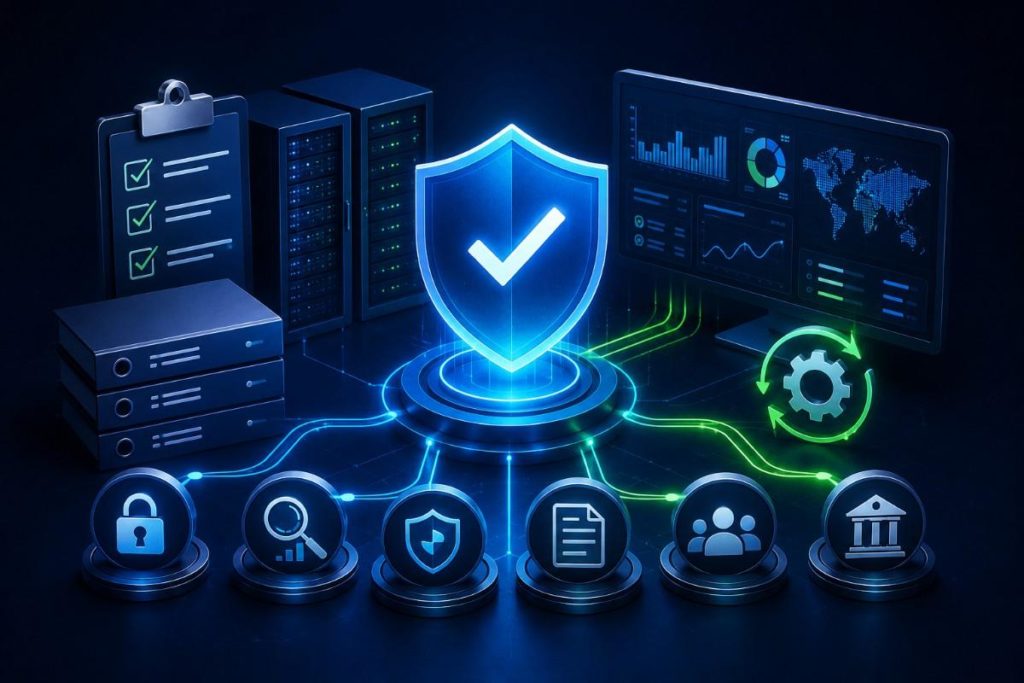
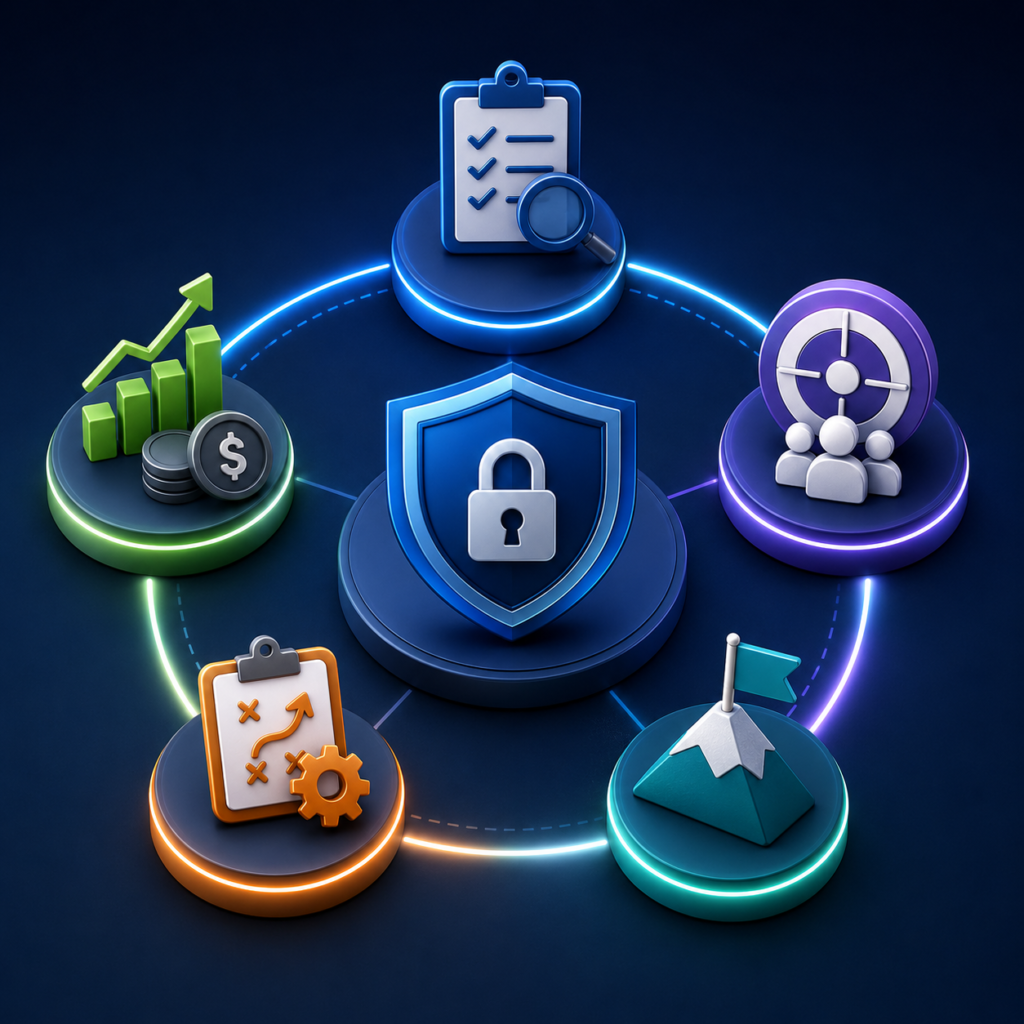
A high-maturity intelligence capability is built upon three distinct layers of data:
- Tactical Intelligence: Real-time, machine-readable data such as malicious IPs, file hashes, and domains used for immediate blocking in the SIEM and Firewall.
- Operational Intelligence: Insights into the TTPs of specific threat actors, often mapped to the MITRE ATT&CK framework, helping detection engineers build better use cases.
- Strategic Intelligence: High-level analysis of the threat landscape, geopolitical shifts, and industry-specific trends used by CISOs for long-term risk management.
- Automated TIP (Threat Intelligence Platform) Fusion: The technical capability to aggregate, deduplicate, and normalize multiple intelligence sources into a single source of truth
- Community & Vertical Sharing: Participation in ISACs (Information Sharing and Analysis Centers) to receive and contribute industry-specific threat data.
How It Works (Process-Level Explanation)
The detection lifecycle is a continuous loop of engineering and analysis:
Phase 1:
Data Ingestion & Normalization:
Collecting logs from disparate sources and converting them into a common schema for cross-correlation.
Phase 2:
Detection Logic Application
Running incoming data against a library of custom use cases and behavioral models.
Phase 3:
Automated Triage
Utilizing SOAR playbooks to filter out known-benign noise and enrich high-priority alerts.
Phase 4:
Expert Analysis:
Human analysts investigate the “True Positive” alerts to determine the scope and intent of the activity.
Phase 5:
Iterative Tuning:
Feedback from investigations is used to refine detection rules, reducing false positives and closing visibility gaps.
Business Value & Use Cases
Investing in advanced monitoring yields tangible strategic benefits:
Drastic Reduction in MTTD
Identifying threats in minutes or hours rather than the industry average of 200+ days.
Risk Transparency:
Providing leadership with a clear view of the organizational threat profile and existing security gaps.
Compliance Assurance
Meeting the continuous monitoring requirements of frameworks like NESA, ISR, and PCI-DSS.
Resource Optimization
Directing human expertise toward complex threats while automation handles the “commodity” alerts.
How to Evaluate Vendors / Solutions
When selecting a monitoring partner or technology, CISOs must evaluate:
Detection Update Frequency:
How quickly are new threats (e.g., zero-days) translated into active detection rules?
False Positive Ratio
Does the service provide high-fidelity signals, or will it overwhelm your team with "alert fatigue"?
Visibility Coverage
Does the solution cover your entire stack, including managed detection and response capabilities for remote users?
Investigative Depth:
Can the vendor provide the "why" and "how" behind an alert, or just the "what
Platform Openness:
Can the monitoring integrate with your existing advanced SIEM deployment strategies?
Common Challenges & Pitfalls
The Data Hoarding Trap
Collecting “everything” without a clear detection use case, leading to high storage costs and search latency.
Living Off the Land" Blindness
Failing to monitor legitimate administrative tools (PowerShell, WMI) that attackers co-opt for malicious use
Stale Detection Logic
Relying on factory-default rules that haven’t been tuned for your specific business environment.
Siloed Monitoring:
Treating cloud, network, and endpoint data as separate streams rather than a unified narrative
Maturity Model / Best Practices
01
Level 1 (Reactive)
Focus on log collection, basic compliance, and perimeter alerts. High noise, low context.
02
Level 2 (Proactive)
Integration of EDR/XDR, defined incident response playbooks, and structured 24/7 coverage.
03
Level 3 (Adaptive)
Deployment of managed detection and response capabilities, including active threat hunting and threat intelligence fusion.
04
Level 4 ( Intelligence-Led )
Continuous security validation, automated containment, and deep alignment with business continuity planning.
How It Fits Into
Broader SOC Strategy
Threat Monitoring is the “Nervous System” of the SOC. It provides the triggers that activate Incident Response and the data that informs Vulnerability Management. A robust detection strategy ensures that your security investments in prevention aren’t operating in the dark, creating a feedback loop that continually hardens the enterprise posture.
Advisory Note
SOCExpert.ae functions as your strategic architect for detection. We do not sell monitoring software; instead, we help you audit your current visibility, design your detection use cases, and ensure your service providers are delivering the high-fidelity signals required to protect your business. We validate that your “eyes” are actually seeing the threats that matter.
We ensure your strategy belongs to you, not your vendors.
Conclusion: The Future of Strategic Defense
The future of detection lies in the fusion of AI-driven autonomy and human intuition. As attack surfaces expand through IoT and edge computing, detection must become more decentralized and faster. The winners will be organizations that treat detection not as a product they buy, but as an engineering discipline they master.