
SOC Operational Architecture Startups & SMEs
For startups and SMEs, the Security Operations Center (SOC) must function as a force multiplier. The operational challenge is not just technical but architectural: how to build, scale, and maintain high-fidelity monitoring with limited resources, while keeping pace with rapid development cycles.
Incident Response Logic
Incident response when this sector is prioritized based on business impact and systemic risk:
High-Velocity Infrastructure:
The SOC must integrate with ephemeral environments (e.g., Kubernetes, serverless) where assets exist for minutes or hours, rather than months.
Limited Tooling Overhead:
Operations must rely on lean, cloud-native tooling. The “noise” must be aggressively managed, as the team often lacks the personnel to handle high volumes of low-fidelity alerts.
Rapid Deployment Cycles:
Security monitoring must be baked into the CI/CD pipeline, ensuring that new features do not introduce unmonitored attack vectors.
Security Methodology
The technical framework for a lean, high-growth SOC relies on automation and identity-centric controls:

Identity-First Baselining:
Since cloud-native perimeters are fluid, we focus on identity. Monitoring is keyed to IAM (Identity and Access Management) logs, baselining the behavior of service accounts and developer identities to detect credential misuse early.
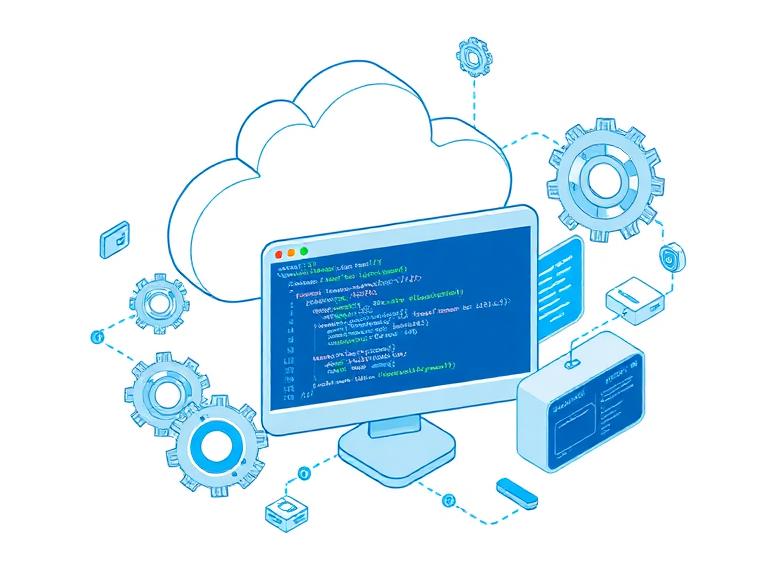
Infrastructure-as-Code (IaC) Auditing:
We treat security configurations as code. The SOC monitors changes to IaC templates, preventing configuration drift or the accidental exposure of cloud buckets and APIs.

Log Aggregation & Cloud-Native SIEM:
We prioritize log sources that offer the highest signal-to-noise ratio—typically cloud control plane logs (e.g., AWS CloudTrail, Azure Activity Log)—rather than attempting to ingest every single workstation packet.
Vulnerability-Driven Monitoring:
With limited resources, we align monitoring with active vulnerability management, focusing logs on the areas where software development has the highest risk of introducing new flaws.
Incident Response Logic
Incident response for high-growth environments prioritizes speed of remediation and “least disruption” containment:
Programmable Response:
We prioritize response actions that can be triggered via APIs (e.g., revoking a compromised API key, rotating an IAM role) to ensure that the SOC moves at the speed of the developers.
Collaborative Triage:
Given smaller teams, IR playbooks are designed for cross-functional execution, enabling developers to participate in the remediation loop when security alerts are tied to specific code or infrastructure commits.
Technical Consultation
our team is available for deep-dive discussions on these methodologies. We offer independent architectural reviews and operational guidance to ensure your detection and response capabilities are aligned with your technical scale and business objectives.